

About
My Story
Finding my direction by understanding my own mind.
- Lived experience
- Environmental anthropology
- MBCT mindfulness
- Practical ADHD coaching
The beginning of the journey
Why I became an ADHD coach
ADHD coaching changed the questions I asked about myself.
For a long time, I believed the answer was to become more disciplined, more organised and less affected by the things that overwhelmed me. When those efforts failed, I treated the failure as evidence about my character.
Coaching invited a different question: not “How do I force myself to function differently?” but “What is happening here, what has shaped this pattern, and what might genuinely help?”
That shift—from judgement to curiosity—changed the direction of my life.
It did not remove responsibility or make difficult things easy. It gave me a more honest way to understand myself, and eventually led me to train as a coach so I could offer others the kind of practical support and searching conversation that had helped me.
Understanding before judgement
Anger
For years, anger was one of the clearest signs that I was overwhelmed, ashamed or pushing beyond my limits. I often experienced the anger first and understood what lay beneath it only afterwards.
Coaching did not make it disappear. It helped me notice the sequence more clearly: pressure, confusion, self-criticism, then reaction.
Understanding created a small space in which another response became possible.
That space mattered not only to me, but to the people close to me. ADHD is lived by an individual, but its effects are often carried through relationships.

Relationships
Nobody thrives alone
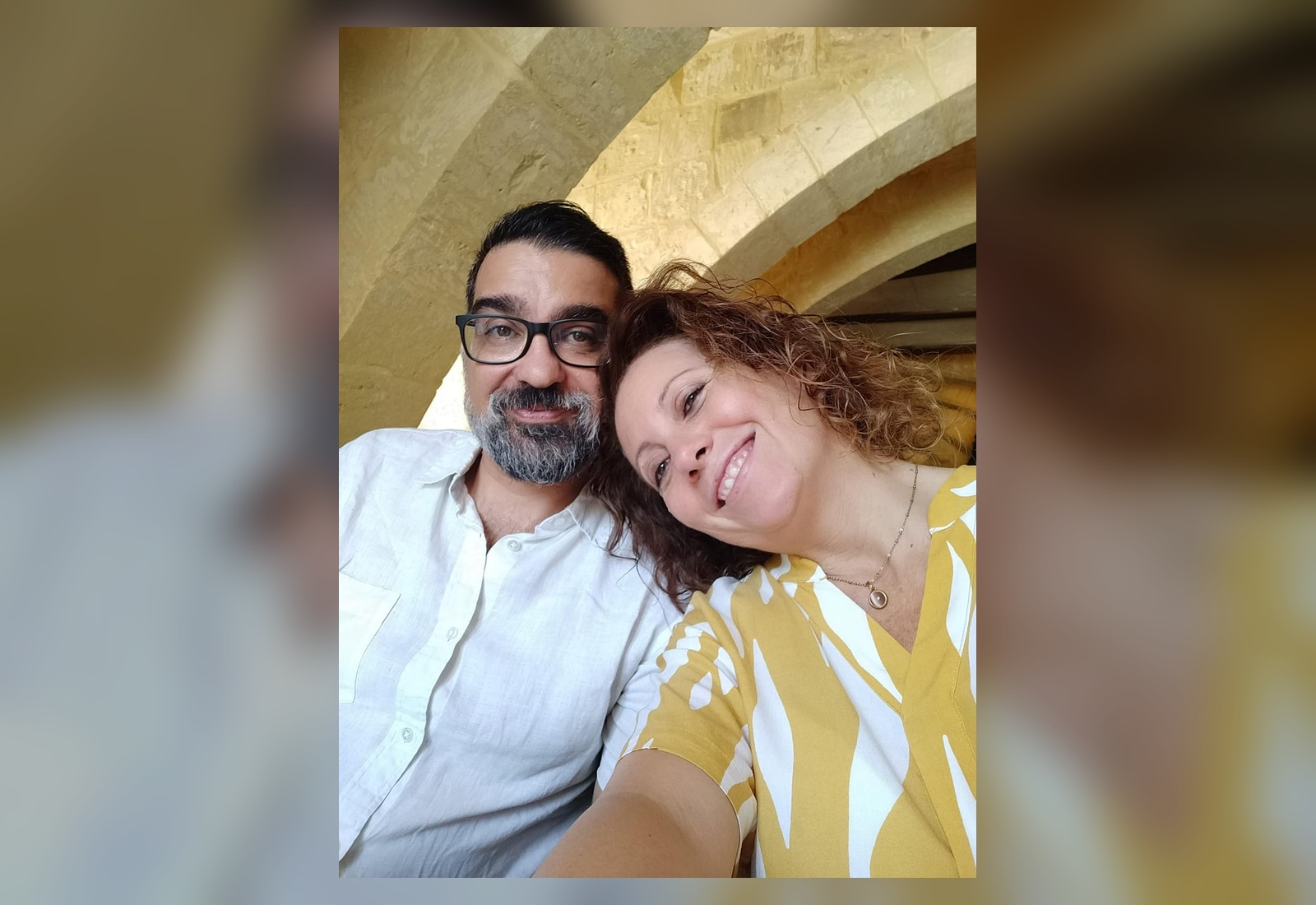
Sara has been part of this journey in ways that are practical, patient and often invisible. She has reminded me, encouraged me and helped me return to things that mattered when my attention had moved elsewhere.
Support does not remove ADHD. It can remove some of the shame that grows around it, and it can make difficult changes feel less solitary.
This is one reason collaboration matters so much in my coaching. Sustainable progress rarely comes from being told what to do. It grows when someone feels understood enough to experiment honestly.
A different perspective
Anthropology taught me to ask better questions
Environmental anthropology taught me to look beyond the individual. People do not act in isolation: environments, relationships, institutions and expectations all shape everyday life.
That perspective matters in ADHD coaching. A strategy that looks perfect on paper may fail because it ignores the person's actual workload, home life, energy, sensory environment or history of criticism.
The question is rarely only “What is wrong with you?” A better question is “What is happening around you—and what would work better here?”
The result is support built around context rather than a generic system. We pay attention to the whole landscape, not just the obstacle immediately in front of us.

A practice that stayed
Discovering mindfulness
I found mindfulness during a difficult period in my doctoral studies. I recognised that it helped, but—as often happens with ADHD—recognising the value of something and making it part of daily life were not the same thing.
Sara kept gently reminding me to return to the practice. With her support, it slowly became a habit rather than another good intention that disappeared when life became busy.
Mindfulness did not change my ADHD. It changed the relationship I had with it.
That experience later led me to train as a Mindfulness-Based Cognitive Therapy (MBCT) Practitioner and to explore how mindfulness can be adapted for people whose attention does not behave politely.
Explore mindfulness for ADHD →Sometimes I wonder how different life might have been if someone had asked me those questions twenty years earlier.
A different way forward
Understanding can change what happens next.
You may have spent years forcing yourself into systems that do not fit the way your mind works. You may also have become very skilled at hiding how much effort that takes.
Coaching gives you room to notice patterns without immediately turning them into a judgement about who you are. From there, we can build strategies around your actual life rather than an imagined version of it.
The aim is not perfection. It is clearer direction, less shame and progress you can sustain.
The name
Why Good Wolf Coaching?
I first encountered the story of the two wolves while watching Tomorrowland, a film I loved and one that stayed with me.
In the story, one wolf is fed by fear, shame and self-doubt; the other by curiosity, courage, compassion and hope. The wolf that grows is the one we continue to feed.
For people with ADHD, years of criticism can feed the first wolf very well. We learn to expect failure, mistrust ourselves and use pressure as the main way to get moving.
Good Wolf Coaching is not about defeating part of yourself. It is about choosing, day by day, what you want to strengthen.
Coaching creates space to feed a different story through practical action, honest reflection and greater compassion. You do not have to make that journey alone.

Professional background
My background and training
Alongside my coaching practice, I have spent many years working in higher education, supporting students, mentoring neurodivergent learners and teaching at undergraduate and postgraduate level.
My work combines lived experience with professional training in ADHD coaching, anthropology, mindfulness and higher education.